
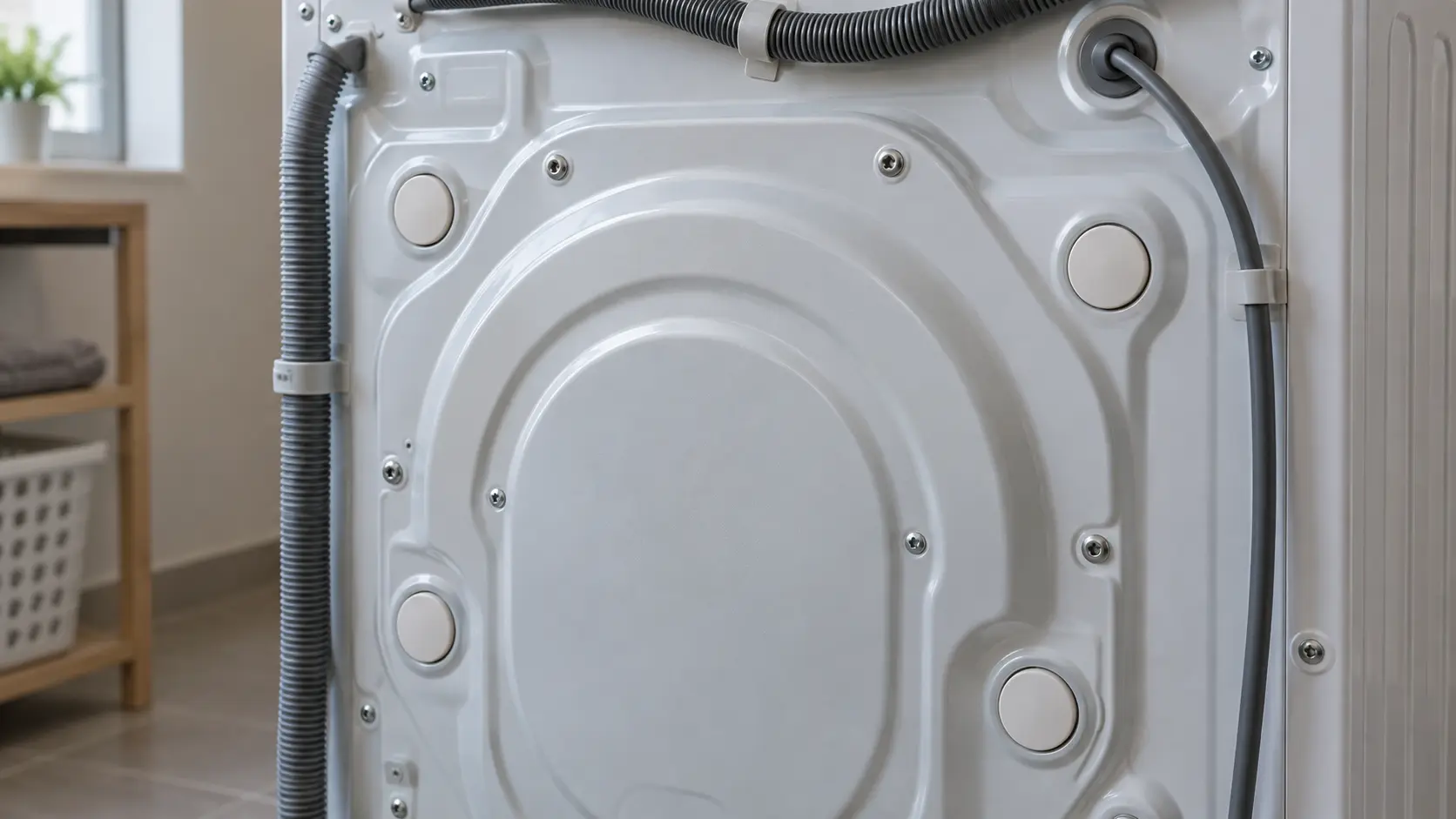

Why a brand-new appliance misbehaves in its first days
When a new install goes wrong
guides.
The early trouble that follows a new install: a unit that will not fit, a door out of line, a drain that backs up, an igniter that keeps clicking, and the shortcuts on delivery day that usually cause them.
Mon–Sat, 8am–8pm
- Three guides
- Read before you book
- Says where to stop
Book a visit
Three short steps, about a minute.
or call (844) 638-8309
Loading appointment form…
The appointment form couldn’t load. Please try again.
When a new install goes wrong,
guide by guide.
This section is for the gap between a new appliance arriving and a new appliance working the way the brochure promised. The machine is in, the crew has gone, and something is off: the shelves are still warm at dinner, the burners click before they catch, the laundry pair creeps across the floor, the sink backs up when the dish cycle drains, or the unit stopped half an inch short of its opening.
All 18 guides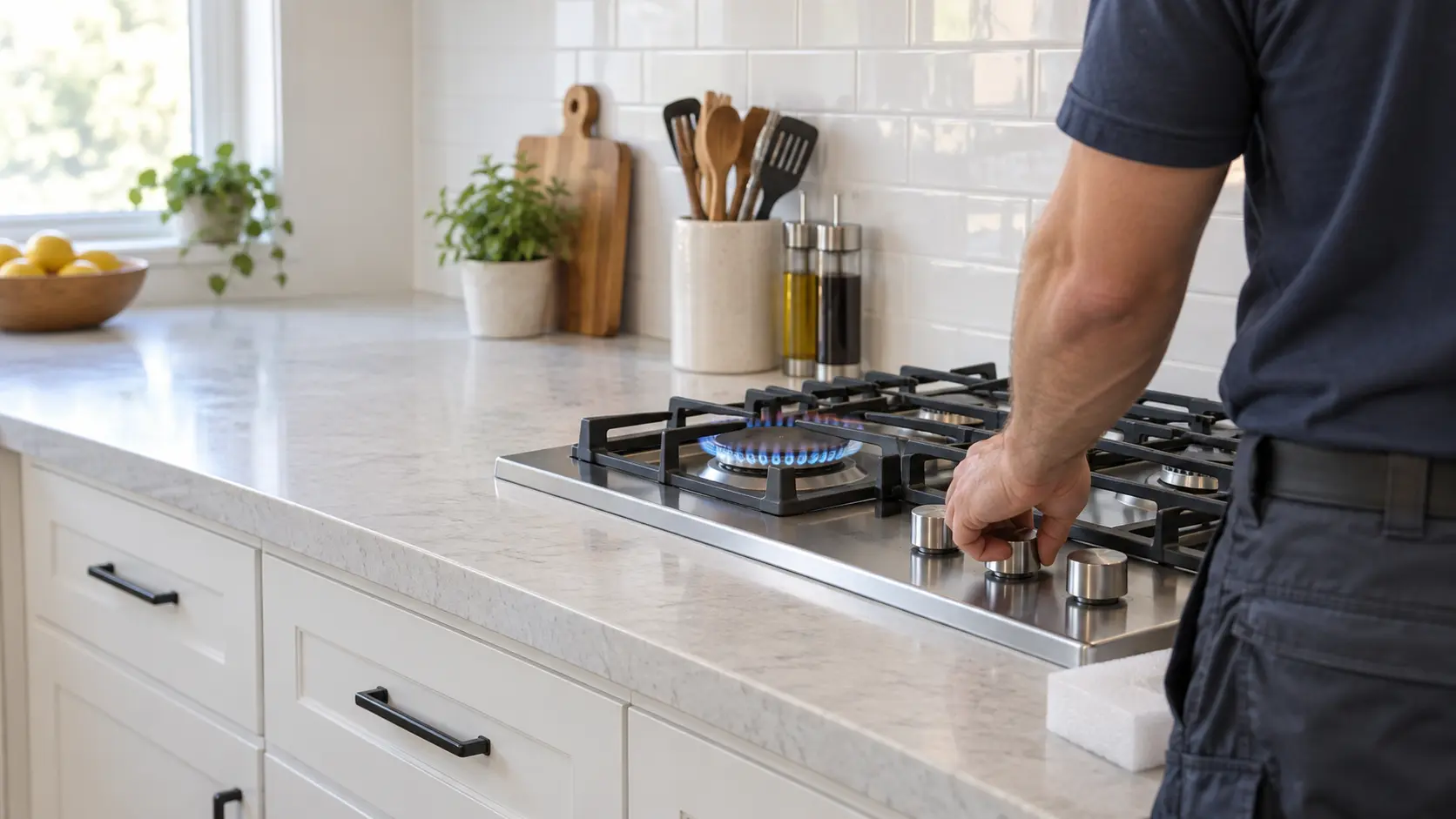


Why a brand-new appliance misbehaves in its first days.
Most of what goes wrong in that gap comes from the fitting rather than from a defective machine. A setting left from the showroom, a connection made in a hurry, a part reused from the old unit, an opening measured against the wrong drawing. The guides here separate those causes from ordinary break-in behavior, across the four groups we install: cold storage, cooking appliances, dish care and laundry.
Each guide names the makers' own figures where they exist, from cool-down times to drain heights and cutout sizes, and puts the source under the section it backs. Where an owner can check something safely, the guide says how; where the check means opening a connection, it says who should do it.
Five first-run signs are never quirks: gas in the air, water creeping out from under a cabinet, a smell of something burning, a breaker that falls the instant a unit starts, and a laundry room filling with warm, wet air. Each guide repeats what to switch off first, and none of them treats those signs as something to wait out.
Not sure where to start?The short answerWhy a new appliance acts up on its first run, and which quirks settle on their own
The first run of a new appliance is often uneven: cold storage can take 24 hours to cool fully and longer to make ice, a new cooktop gives off a brief smell, a fresh gas line clicks until its air is purged, and new inlet hoses can smell of rubber.
The short answerInstall shortcuts behind early service calls: the steps a rushed hookup skips
Most install shortcuts sit in the connections, not the machine: a knockout plug left in a disposer, a drain hose without its high loop, an old gas connector put back into service, a reused three-wire cord, loose terminal screws, transit bolts still in a laundry drum and an anti-tip bracket that never went in.
The short answerWhen a new built-in will not fit its opening: height, width, depth and the fixes
When a built-in will not fit, the cause is usually one dimension: height lost to a new floor, width lost to cabinet sides without a face frame, or depth lost to an outlet box or a valve.
When reading
is not enough.
If the checks in these guides did not settle it, the visit picks up from there, stop by stop.
What installations cost- 01The opening and the hookups, checked first
- 02Connected the way the instructions say
- 03Set in, leveled and secured
- 04A first run with you there
The problems
these answer.
Each has a page of its own, with the causes in the order worth checking.
All 17 problems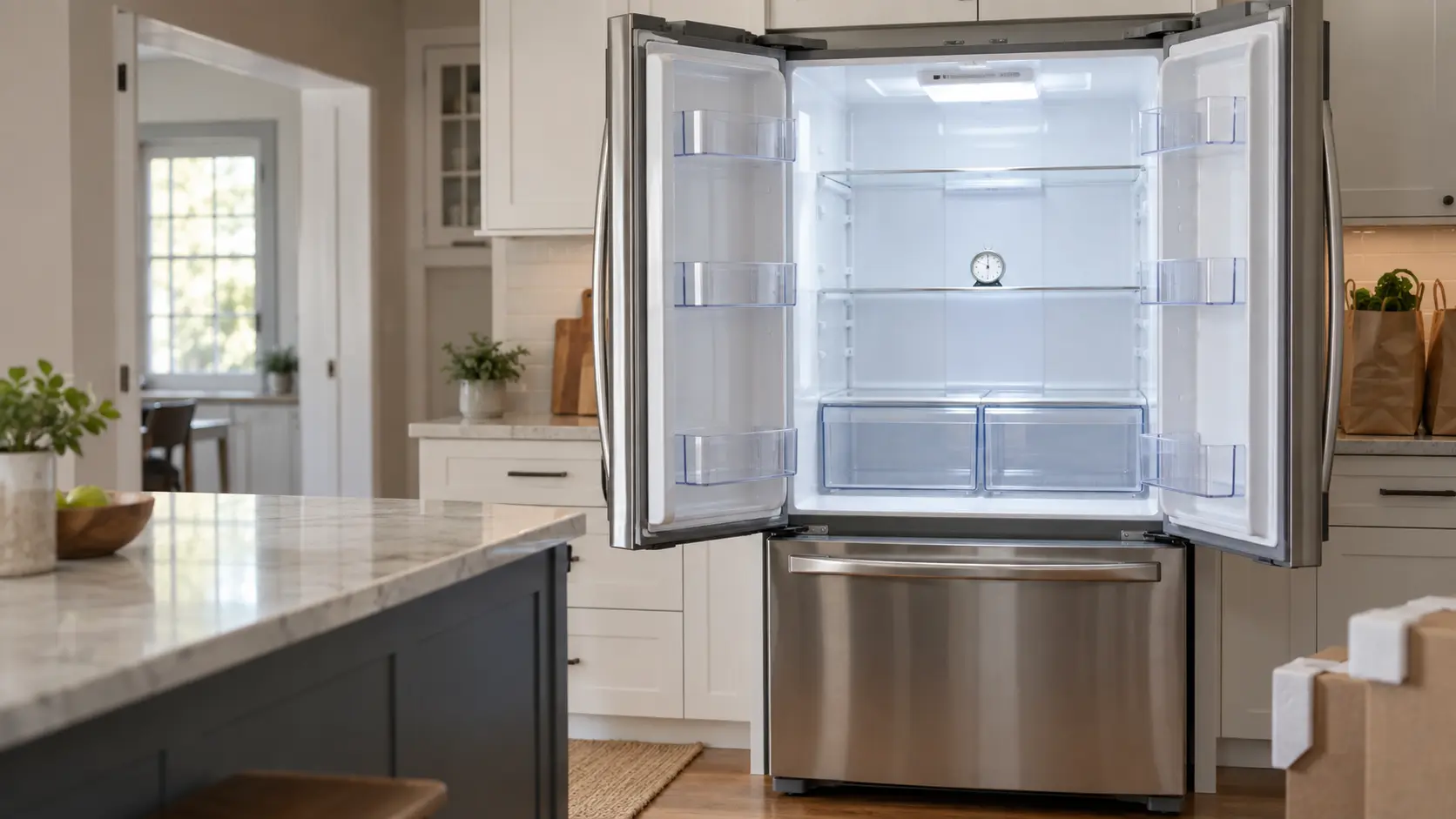
Cold Storage Slow to Cool on the First Day
6 causes, cheapest first

Igniter Clicking After a Gas Hookup: Air in the Line or a Wet Cap
6 causes, cheapest first

Burning Smell on the First Run: When It Is Normal and When to Stop
6 causes, cheapest first
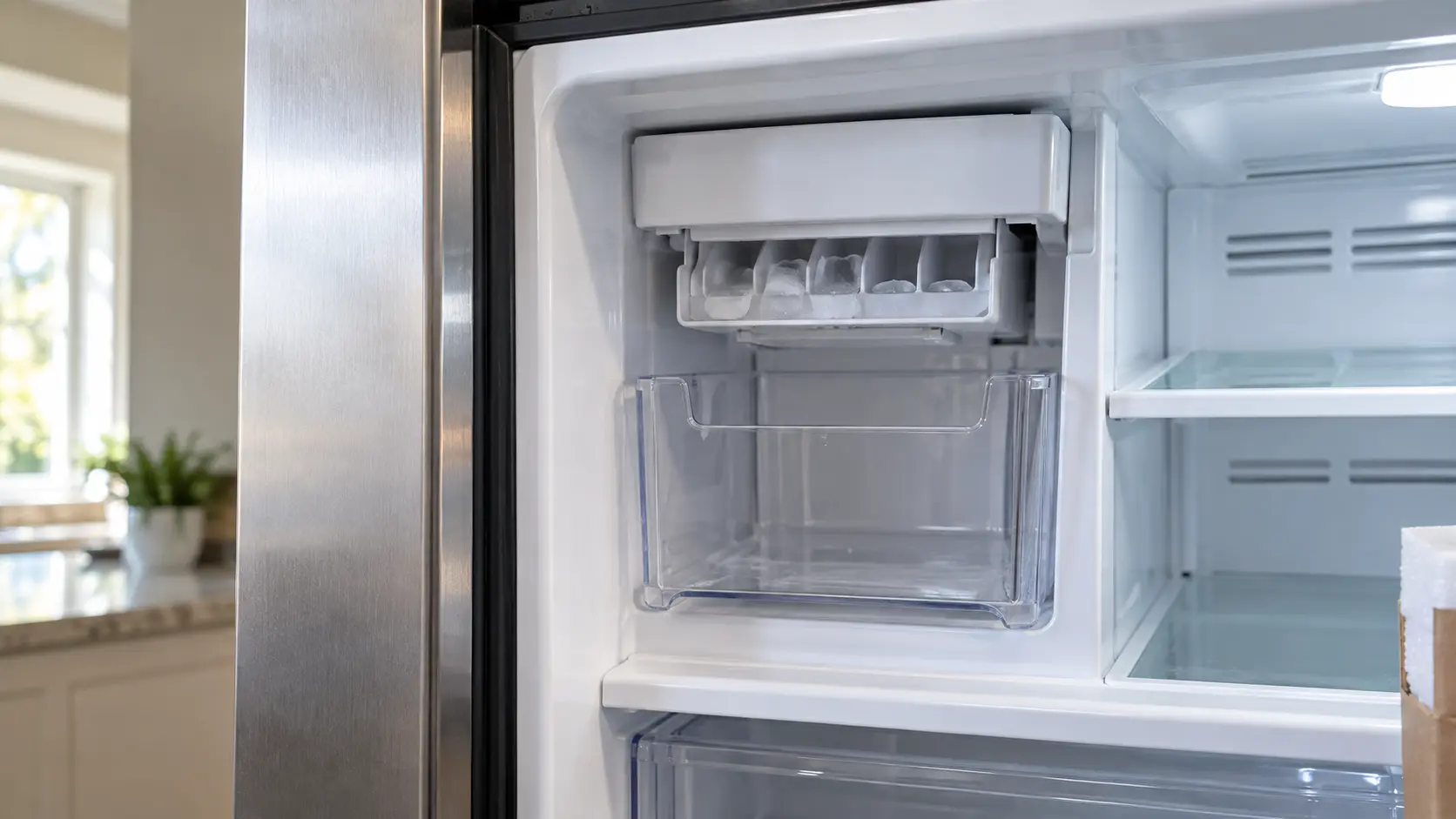
Ice Maker Not Filling After the Install: Valve, Line and Patience
6 causes, cheapest first

Questions about
when a new install goes wrong.
How do I tell break-in behavior from an installation problem?
Is it the unit or the hookup?
Which of these problems should never wait for a visit?
Do the same problems appear on every make?
The other
sections.
Split by what you are trying to find out rather than by which part of the appliance it concerns.
All guides
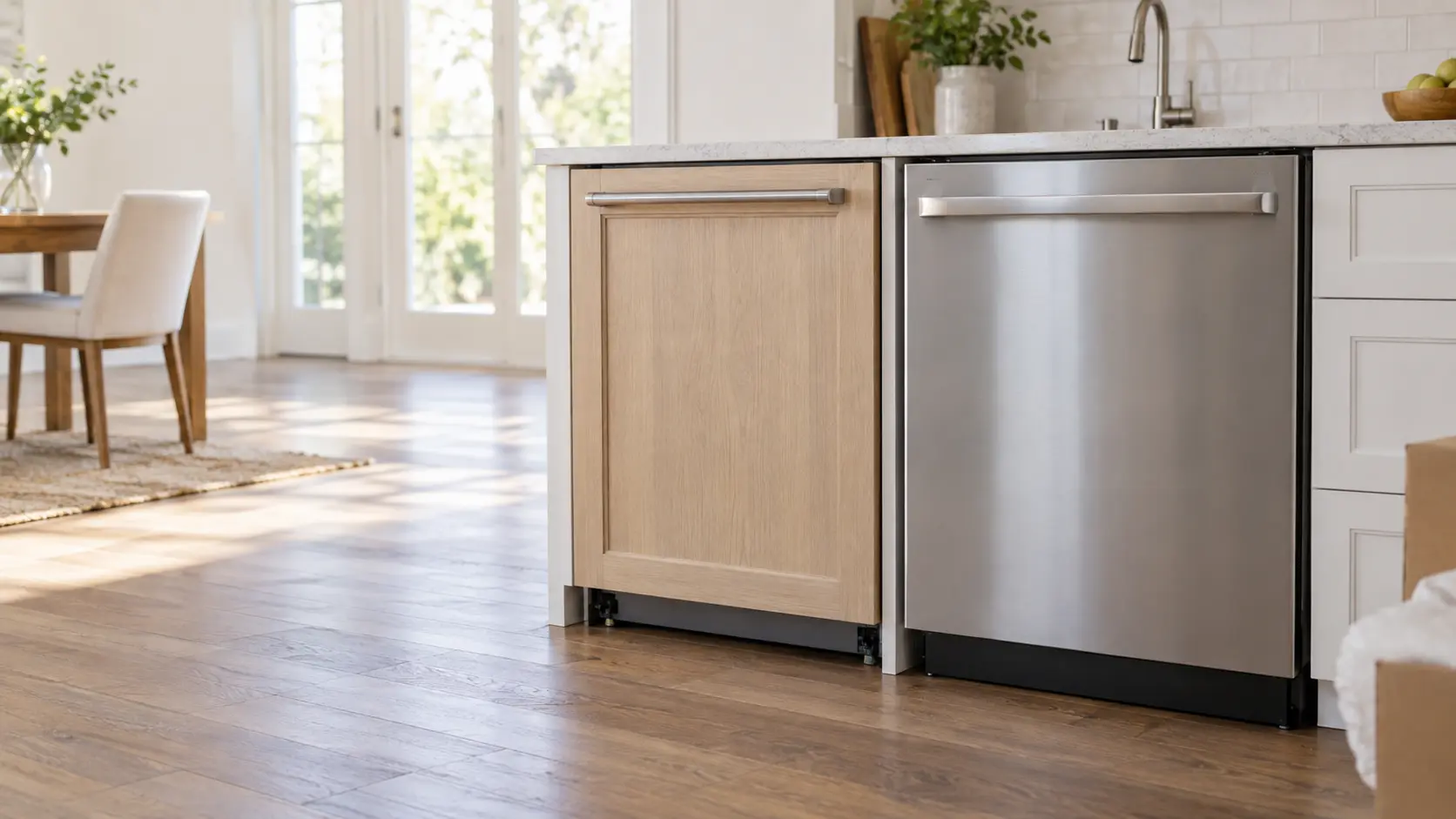

After the install
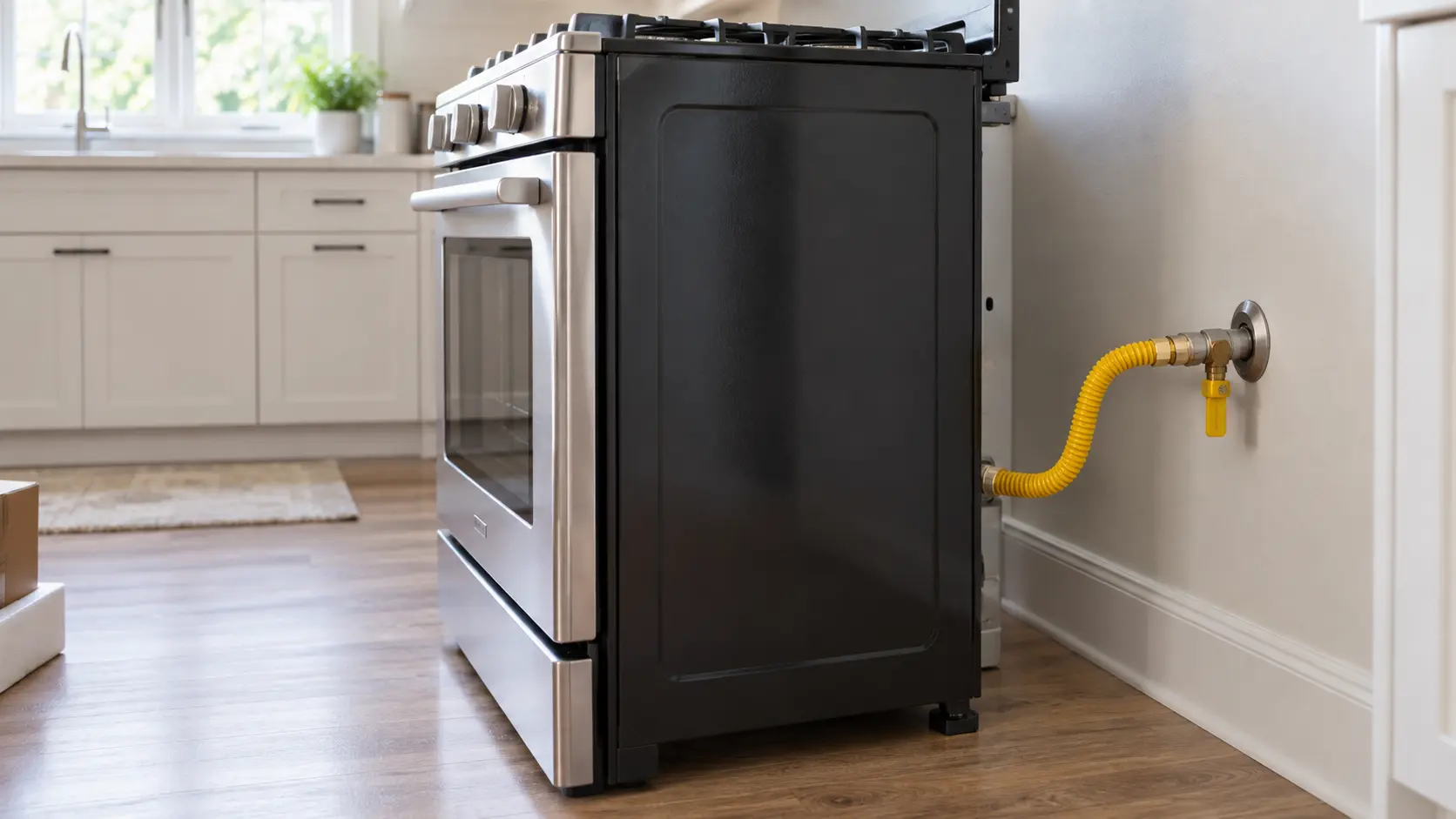
Gas, power and water at the install
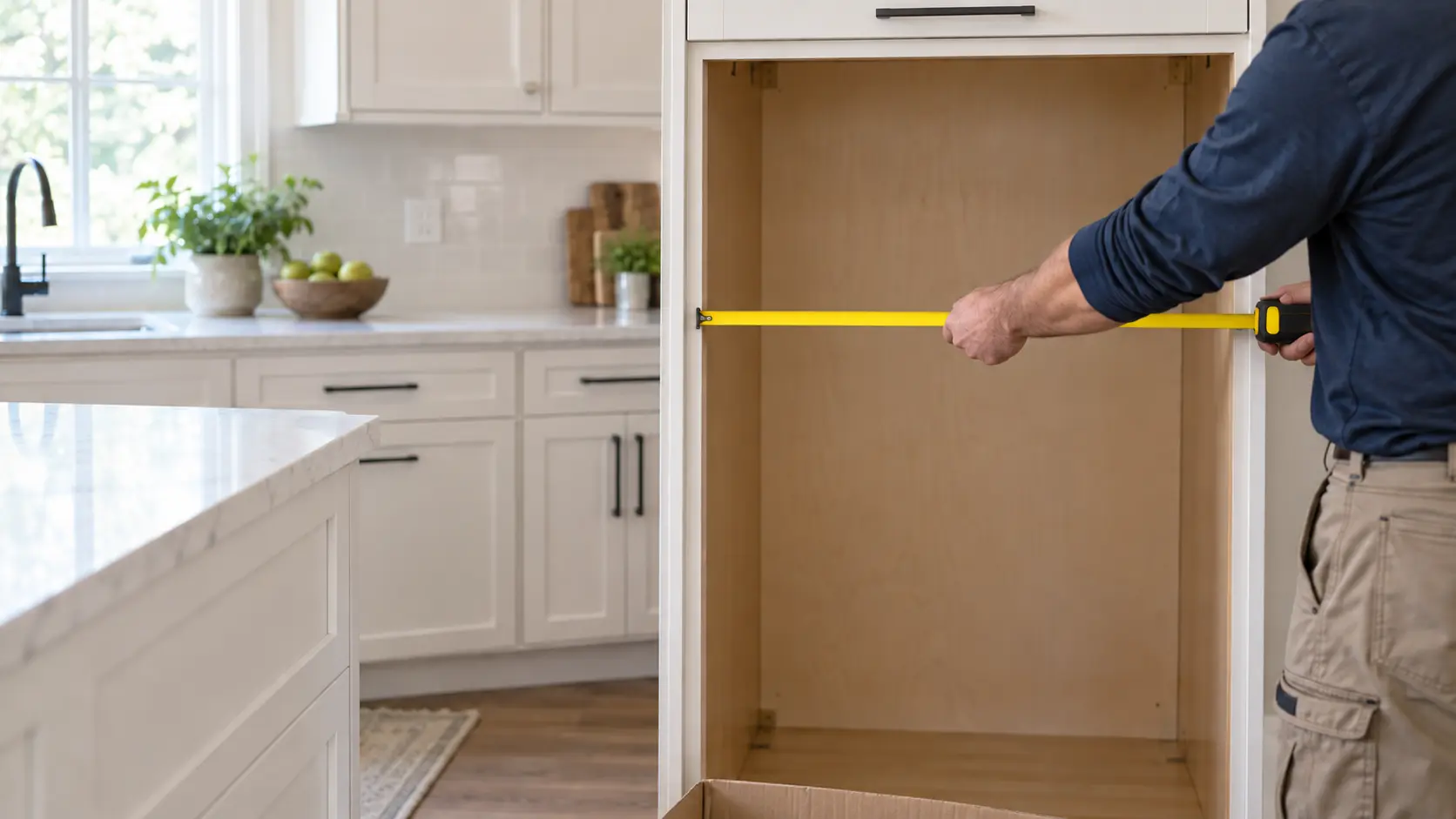
Get the space ready
Start from your question
The four questions most visits start with, each with the guide that answers it.
18 guidesWhere to start Where to startBack to your everyday
Let’s get your appliance working again.
Three short steps online, or one call. Tell us what you are seeing and pick a window that works.