
Cold Storage Installation
Setting a new refrigerator, freezer, wine or beverage unit or ice maker into its opening: measured, connected to water, leveled and started.
Mon–Sat, 8am–8pm
- 4 things that fail on it
- 32 makes build it
- 7 problems it shows
Book a visit
Three short steps, about a minute.
or call (844) 638-8309
Loading appointment form…
The appointment form couldn’t load. Please try again.
Is yours
a cold storage unit?
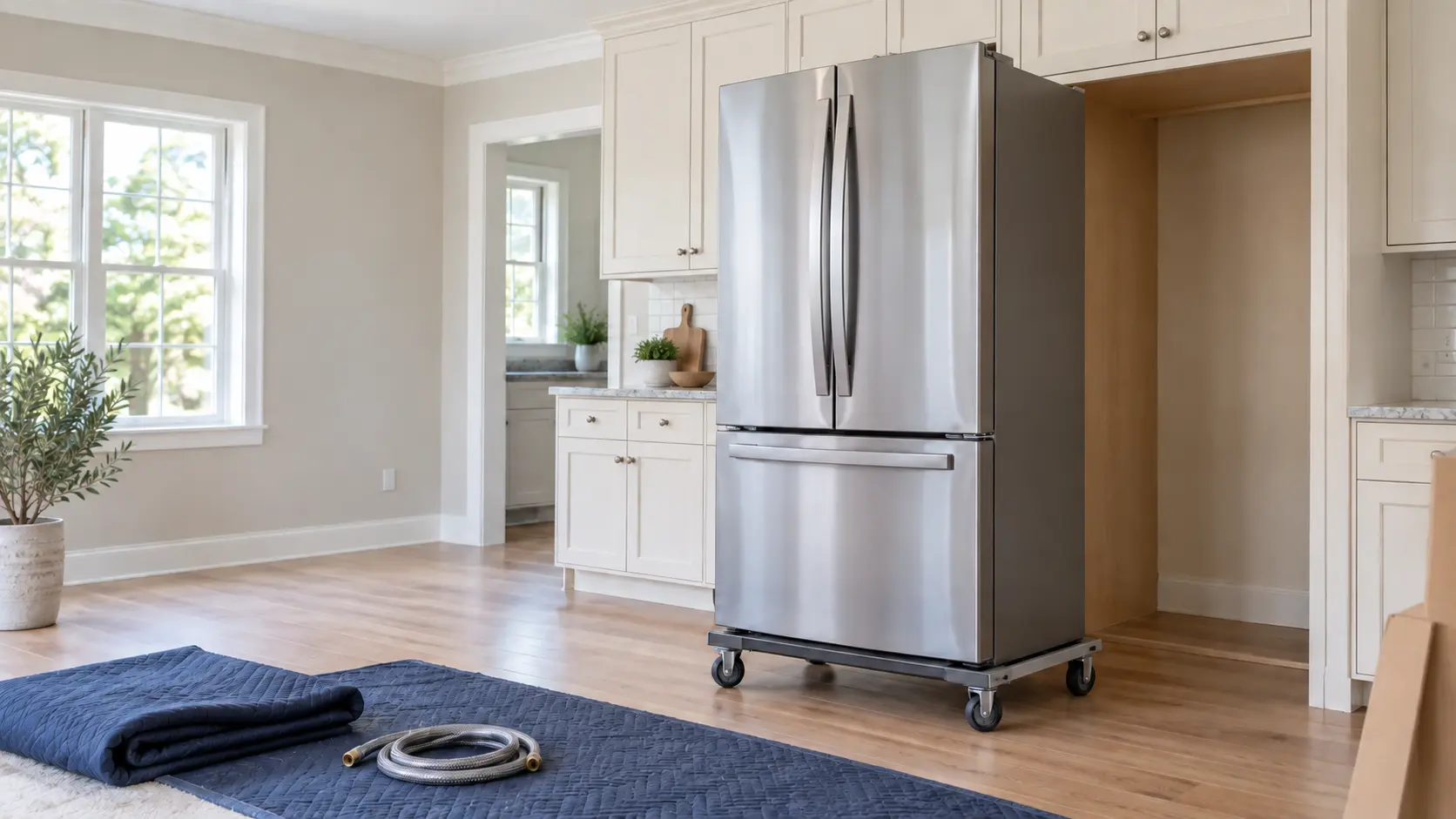
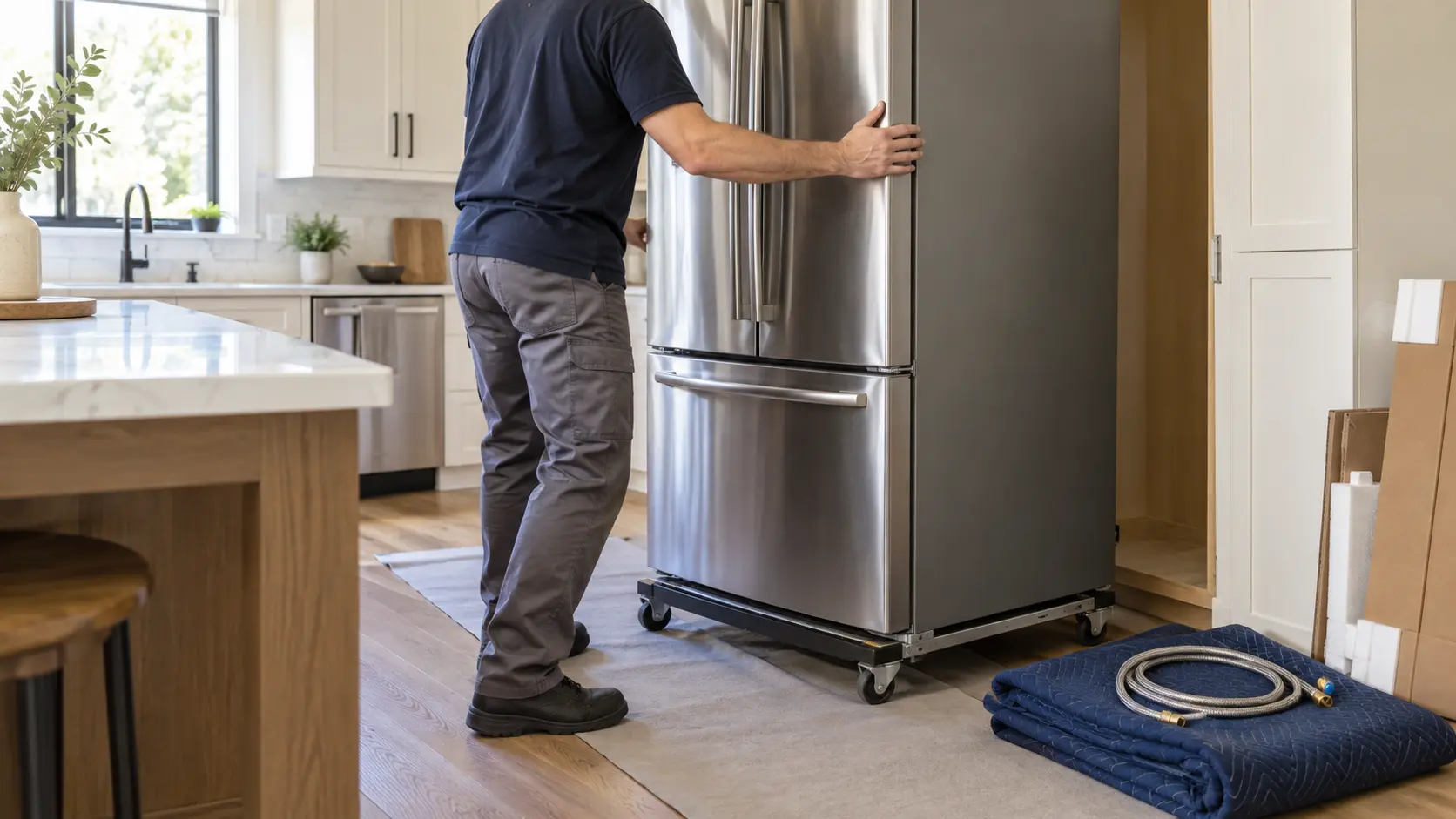
A cold storage installation begins weeks before the truck arrives, with a tape measure and the spec sheet side by side. A freestanding French door model needs its depth checked against the counter and its door swing checked against the wall beside it; a built-in column or an integrated drawer needs a cutout matched to the maker's drawing within a fraction of an inch, an anti-tip strap or bracket where the instructions call for one, and a toe-kick grille that lines up with the cabinetry. Then there is the path: the front door, the hall, the turn into the kitchen and sometimes the stairs to a basement where the second freezer lives. On the day, the old unit is emptied, unplugged and rolled out on a protected floor. The new one gets its doors reversed or removed if the path demands it, stands upright long enough for its oil to settle when it traveled on its side, and meets its water supply through a fresh line and a shutoff the owner can reach. Then come the leveling legs, the door alignment, the panels on a panel-ready model, and the first cool-down, which takes most of a day before any food goes in. A wine or beverage unit under the counter and a built-in ice maker with its own drain follow the same order with their own clearances.
 What fails on a cold storage unit
How to tell
Its job is holding food, drinks, wine or ice below room temperature behind a sealed door or drawer, whatever size or finish it comes in.
Its spec sheet lists an opening width, height and depth plus an air gap around the cabinet, and the installation instructions show those numbers in a drawing.
Many models take a water line for a dispenser or an ice maker, and some built-in ice makers also need a floor drain or a drain pump.
It is heavy, top-heavy when the doors are open, and it arrives strapped upright on a pallet or a dolly with protective blocks on the shelves.
Not yours?Cooking appliancesDish careLaundry
What fails
on this design.
On a cold storage unit: an opening measured once, and wrong, a water line that was reused, too little air around the cabinet, doors that were never aligned.
The problems it showsAn opening measured once, and wrong
A cabinet measured at the front but not at the back, a floor that climbs toward the wall, or a soffit that sits lower than the drawing: any one of them leaves a new unit an inch too tall or too deep, with the doors unable to open past the counter.
A water line that was reused
The old plastic tubing and a worn saddle valve are the most common leak after a cold storage swap. A new braided or copper line and a proper quarter-turn stop cost little next to a soaked subfloor.
Too little air around the cabinet
A freestanding model pushed tight to the back wall, or a built-in with its top grille blocked by trim, cannot shed heat. It runs long, cools slowly on the first day and never quite reaches its set point.
Doors that were never aligned
Reversed hinges, a panel mounted slightly high or legs left at their shipping height make doors that rub, gap or drift. A door that does not seal on the first night fills the unit with frost by the end of the week.
Getting at it,
and whether to.
Measure twice before you order: the opening at the front and the back, the height under any cabinet above, and every doorway and turn on the way in.
What installations costOn the visit
- Empty the old unit the night before and let the ice bin melt into a towel, so it can be disconnected and moved without spilling across the floor.
- Show us the water shutoff for the ice maker line, or tell us there is none, so a proper stop valve can be planned rather than improvised.
- Keep the spec sheet and the installation manual that came with the new model handy; the cutout drawing and the clearances in it decide how the unit is set.
Repair or replace
Not every cold storage problem calls for a new unit, and not every new unit needs a new opening. A refrigerator that has failed is a repair question first, answered by our sister repair site for that appliance. Once the decision to replace is made, the cheapest path is a model that fits the opening you already have: same width, the depth your counters allow, the same water and power. Changing from freestanding to built-in, or from one column to a pair, means cabinet work and sometimes a new outlet, and that is worth knowing before the order is placed rather than on delivery day.
Book a visit for a cold storage unitThe problems
it shows.
On a cold storage unit, most often cold storage slow to cool on the first day.
All problems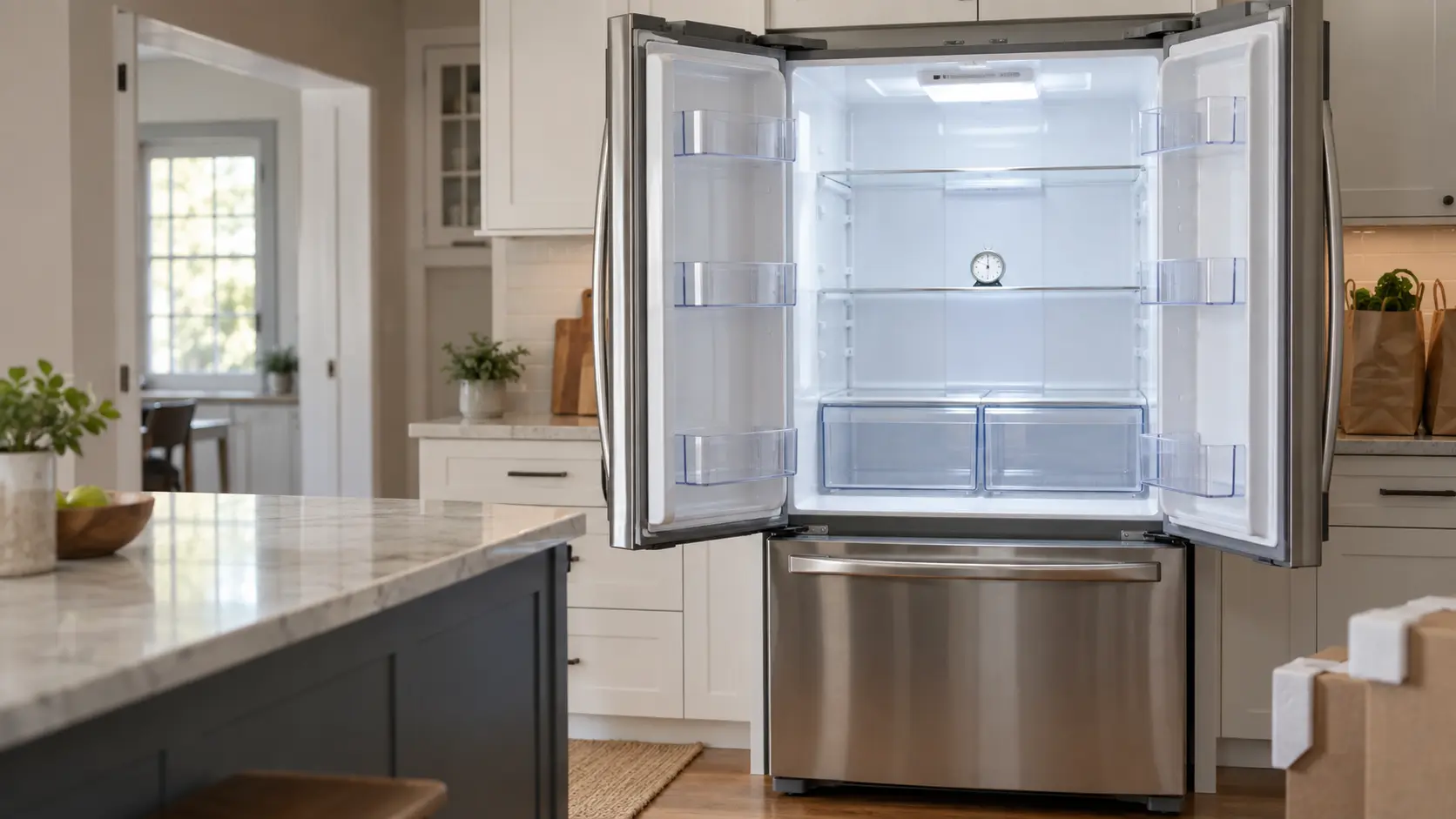
Cold Storage Slow to Cool on the First Day
6 causes, cheapest first
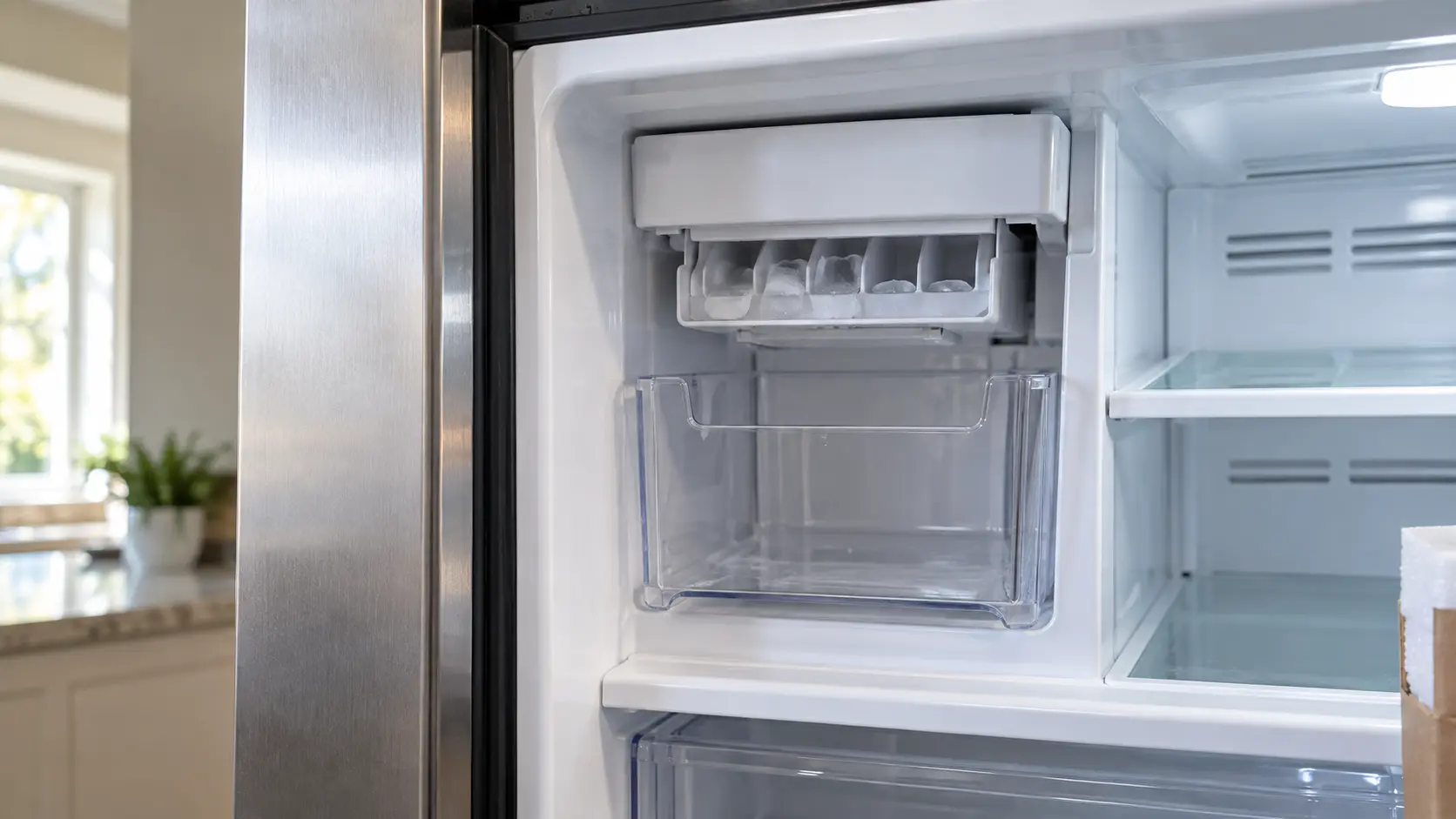
Ice Maker Not Filling After the Install: Valve, Line and Patience
6 causes, cheapest first
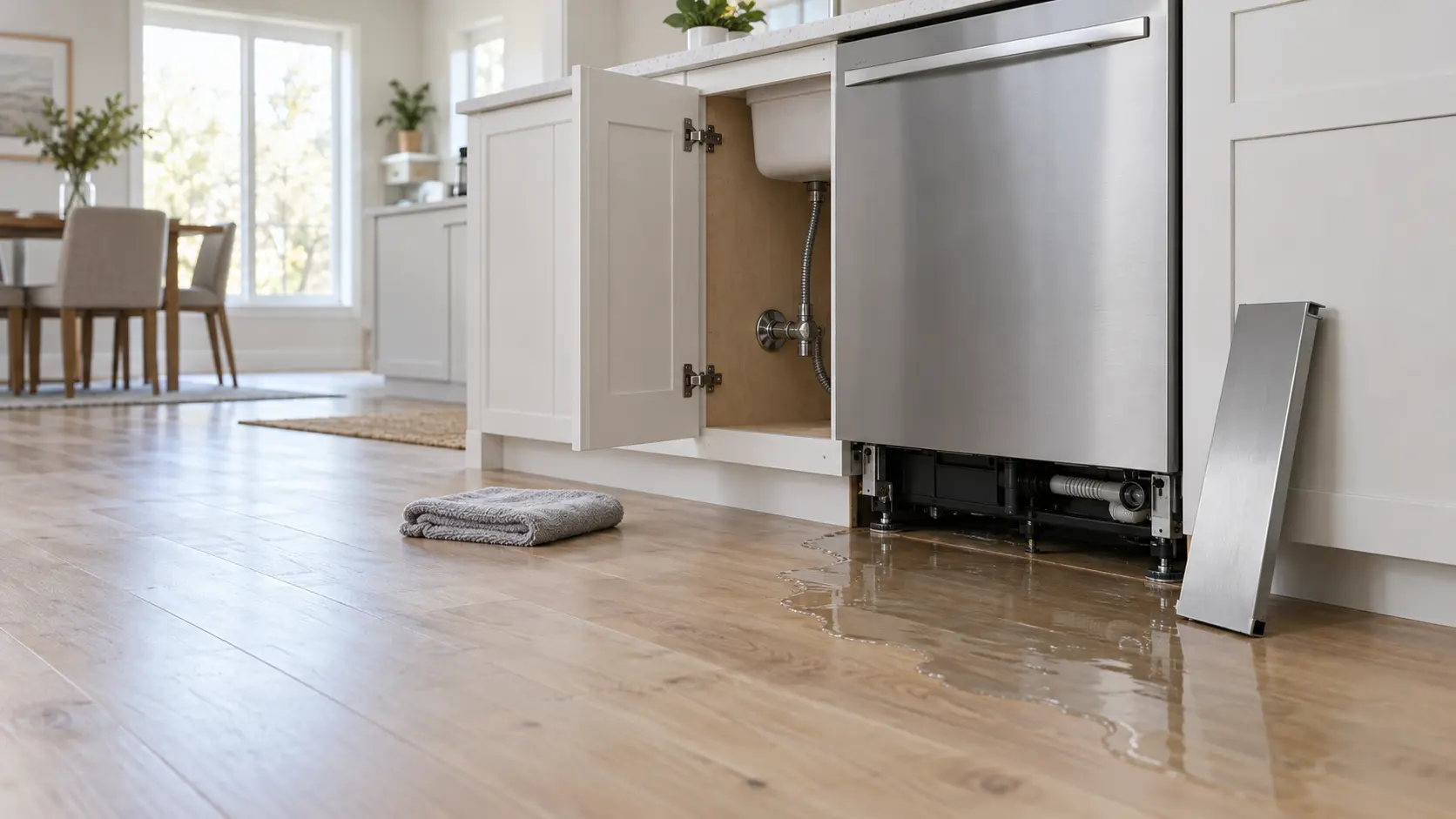
Water Leak After an Install: Close the Supply Valve First
6 causes, cheapest first

Door Not Closing Flush After the Install
6 causes, cheapest first

Unit Too Big for the Opening: Cutout, Depth and the Delivery Path
6 causes, cheapest first

New Appliance Not Level: Rocking Cabinets and Uneven Gaps
6 causes, cheapest first

Appliance Installation Code on a New Unit: Setup Modes and Hookup Messages
8 causes, cheapest first
Who builds
a cold storage unit.
32 of the makes on this site build a cold storage unit. Each mark opens that make's own page.
All 37 brandsCold storage installation,
where we come out.
9 metros, each with its own page.
All service areasTampa BayFL · 31 areas
Miami / South FloridaFL · 47 areas
New York MetroNY · 75 areas
HoustonTX · 36 areas
ChicagoIL · 50 areas
Los AngelesCA · 95 areas
San DiegoCA · 31 areas

Questions about
cold storage units.
How long should a new cold storage unit stand before it is plugged in?
Can the ice maker line from the old unit be connected to the new one?
Does a panel-ready unit arrive with its front panels?
Back to your everyday
Is it a cold storage unit?
Say so when you book — it changes what the technician brings and how the visit is planned.